


Can You Really Change the World Starting With One Choice?
The world feels broken, but what if the solution isn’t out there—it’s within you? Every thought, every reaction, every choice shapes…

 The US Environmental Protection Agency recently enacted regulations to reduce methane emissions from oil and natural gas production.
 On Tuesday, March 28, President Trump traveled to the Environmental Protection Agency to sign an executive order rolling back a number of climate-related regulations that have taken effect over the past eight years.
 Chemists have engineered a molecule that uses light or electricity to convert carbon dioxide into carbon monoxide.
 A group of former Republican officials (including James A. Baker, Henry Paulson, George P. Shultz, Marty Feldstein and Greg Mankiw) is proposing a carbon tax starting the tax at $40 per ton, that would gradually increase.
 After opposing a Washington state carbon tax in November, climate justice advocates are setting the stage for a more thorough initiative to address both climate change and inequality.
 Some commentators seem to be worried that our electricity networks are facing an impending voltage crisis, citing fears that renewables (rooftop solar panels in particular) will threaten the quality of our power supply.
 Forget about oil or gas – you should be worrying about the less discussed but far more concerning fact that the world is running out of clean, drinkable water.
 A major opportunity for avoiding climate change’s worst impacts lies in reducing methane emissions, particularly from food production, according to a pair of new studies.
 Gene Takle, professor of agronomy and geological and atmospheric sciences at Iowa State University, says tall wind turbines disbursed throughout a field create air turbulence that may help plants by affecting variables such as temperature and carbon dioxide concentrations.
 Detroit-area resident Shamayim Harris bought more than 10 properties on her block. She’s now converting them into sustainable community spaces for education, wellness, and economic development.
 Since the 1980s, air pollution has increased worldwide, but it has increased at a much faster pace in regions close to the equator.
 The pre-industrial atmosphere contained more particles, and so brighter clouds, than we previously thought. This is the latest finding of the CLOUD experiment, a collaboration between around 80 scientists at the CERN particle physics lab near Geneva.
 Ever since the 1973 oil embargo, U.S. energy policy has sought to replace petroleum-based transportation fuels with alternatives. One prominent option is using biofuels, such as ethanol in place of gasoline and biodiesel instead of ordinary diesel.
 As the country pushes ahead with renewable energy goals, the challenges facing the grid are substantial, but not insurmountable, according to energy experts.
 Each kilo (about 2 pounds, 3 ounces) of homegrown veggies can cut greenhouse gas emissions by two kilograms, research shows.
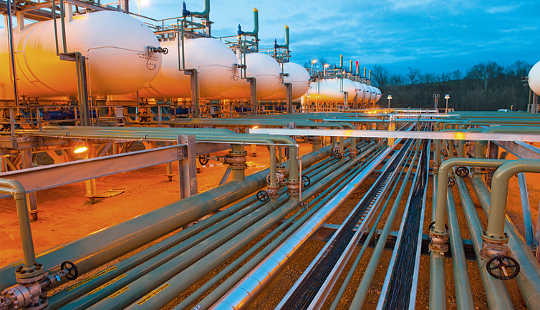 The Aliso Canyon leak in California earlier this year focused public attention on methane emissions from the oil and gas industry.
 Six years ago, Phoenix lay burning in the sun one day. It was 110 degrees Fahrenheit and I was the only person foolish enough to be out walking instead of moving by air-conditioned car. Arriving hot and parched at a bookstore, I opened the doors to be greeted by a blast of arctic air.
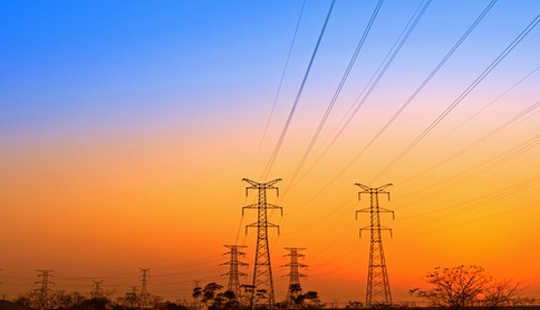 Power companies that take initiative now can position themselves for a bright future in tomorrow’s clean energy economy
 What is so refreshing about the UN’s Sustainable Development Goals is that they recognise the inherent tension between economic development and the ecology of our planet.
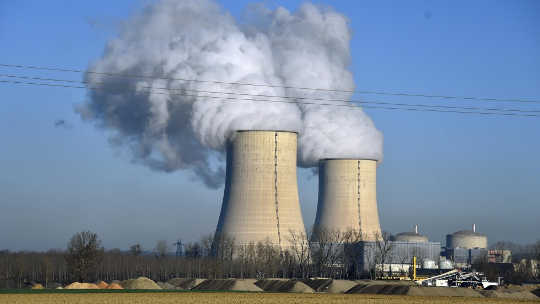 Since the 1950s, U.S. nuclear power has commanded immense taxpayer and customer subsidy based on promises of economic and environmental benefits. Many of these promises are unfulfilled, but new ones take their place. More subsidies follow.
 Electrifying transportation is one of the most promising ways to significantly cut greenhouse gas emissions from vehicles, but so-called range anxiety – concern about being stranded with an uncharged car battery – remains a barrier to electric vehicle adoption.
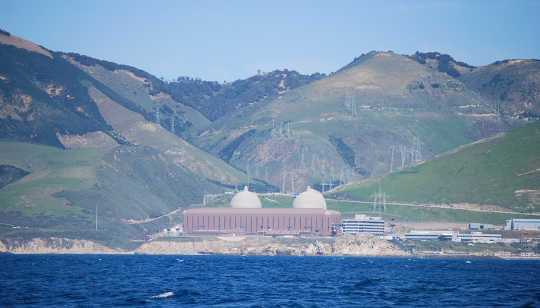 In June, California utility Pacific Gas and Electric announced plans for phasing out its Diablo Canyon nuclear power plant, located on the central California coast.
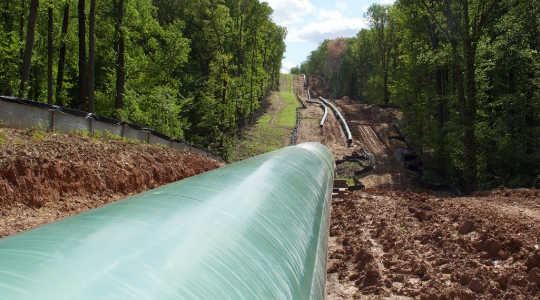 Currently planned gas production expansion in Appalachia would make meeting U.S. climate goals impossible